Moscow Between Beijing and Washington
Since Donald Trump returned to the White House, his declared ambition to “un-unite” Russia and China has brought the deepening Moscow-Beijing partnership into sharp focus. Years of Western sanctions have made Russia significantly more dependent on China for markets, finance, technology and energy exports. Bilateral trade now approaches $250 billion annually — dwarfing any realistic U.S. alternative — while Moscow’s economic isolation from the West has grown.
This situation has added a new strategic layer to efforts to negotiate an end to the war in Ukraine. Although the Kremlin is conscious of the risks of over-dependence on its giant neighbour, the strengthened partnership with China appears to have given Moscow greater confidence in pressing its maximalist demands regarding Ukrainian sovereignty and territorial integrity. This raises a central question: Can the United States effectively exploit or target this Russia-China unity to advance its own interests, and how realistic is such an approach?
The core dilemma is therefore this: Has China’s growing influence and Russia’s resulting liabilities become a meaningful factor in how the Kremlin handles the Trump administration — allowing Moscow to dangle the prospect of a “reverse Kissinger” realignment with Washington to extract a favourable Ukraine settlement and gain strategic breathing space? Or is the China factor ultimately overstated, with both sides primarily driven by the imperative to end the war rather than by any fundamental redesign of the Russia-China relationship?
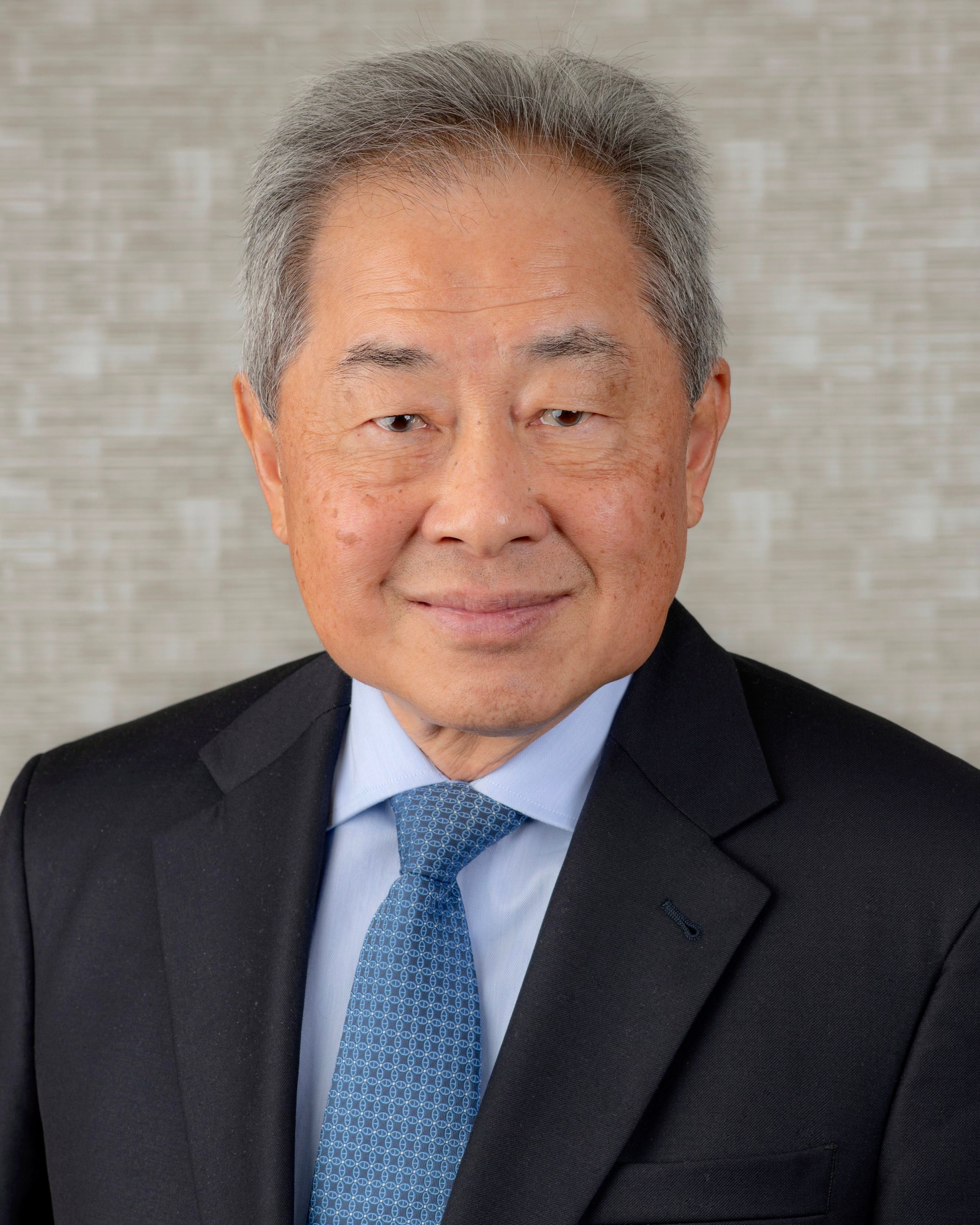
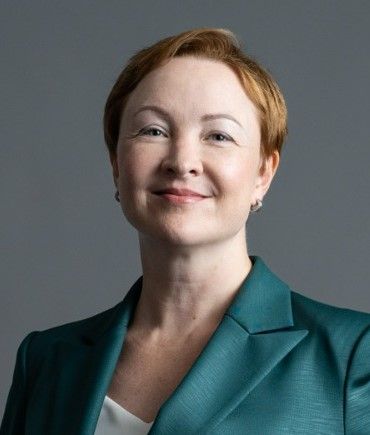
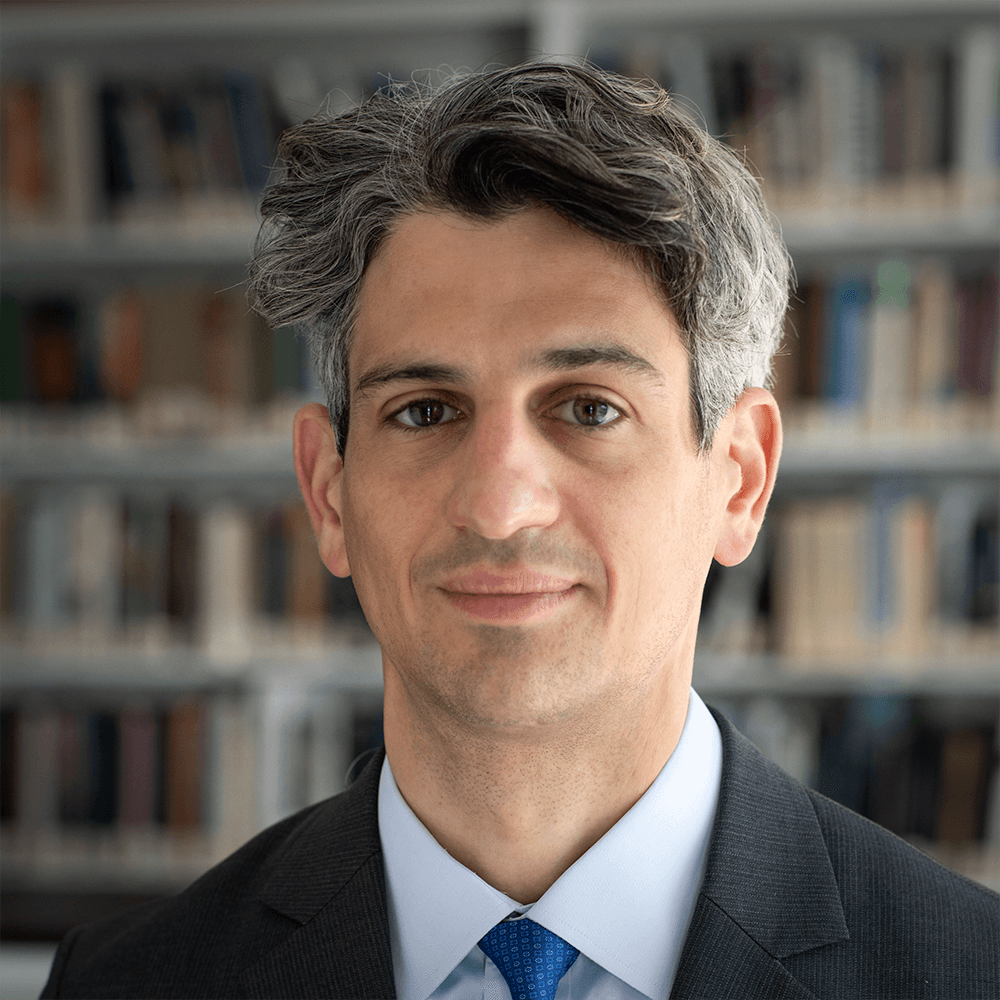
Alexander Gabuev and Samuel Charap present their contrasting assessments of the role China is playing in the Kremlin’s strategy toward Trump. Members are invited to submit focused questions after the positions are published.
👉 View contributor positions

Alexander Gabuev
Director at Carnegie Russia Eurasia Center
Samuel Charap
Distinguished Chair in Russia and Eurasia Policy at RAND
Alexander Gabuev: Dangling the Carrot: Moscow’s China Card in Negotiations with Trump
“The one thing you never want to happen is you never want Russia and China uniting. I’m going to have to un-unite them, and I think I can do that,” Donald Trump famously said on the campaign trail in an interview with the political commentator Tucker Carlson, just couple of days before the fateful 2024 presidential election. So far, Trump’s track record on this promise is not better than his promise to end the Ukraine war in 24 hours. If anything, Moscow is now even more dependent on Beijing that it was before Trump’s inauguration – to a large extent thanks to Trump’s crusade against Indian purchases of Russian oil. However, China has become a factor in the way the Kremlin is dealing with Trump administration trying to secure a peace deal in Ukraine that favours Russian interests.
On the surface, the Kremlin is very happy with the new depth of strategic partnership with China, and Russian officials never talk about an increasingly asymmetric nature of the dependence that provides Beijing with growing leverage. It goes without saying, the Kremlin is not entirely blind to this uncomfortable reality – and would welcome some breathing space with regard to its giant neighbour. This is where Trump’s attempts to finish the war and establish a partnership with Russia come handy. In theory, if at least some of the deals that Trump’s team is discussing with Putin’s envoy, head of Russia Direct Investment Fund Kirill Dmitriev, will materialize, and if some of American sanctions against Russia will be lifted – Moscow may hope to get an alternative to the current trajectory of slipping deeper into Beijing’s pocket.
However, the prospects of $14 trillion deals between Russia and the U.S. remain illusive – on its peak, U.S.-Russia trade accounted for just $30 billion, while Moscow’s trade with Beijing in 2024 was close to $250 billion (and more if one accounts for transshipment via Central Asia and other jurisdictions). This is why hopes for a newly established economic engagement with Washington as a counterweight to Beijing most likely play a minor role in the Kremlin’s calculus when dealing with the White House. When trying to read Trump, the Russian officials notice his and his team’s focus on China as America’s only peer competitor – an assessment that Moscow shares. This is why, in the Kremlin’s view, an attempt at “reverse Kissinger” strategy trying to lure Moscow out of Beijing’s firm embrace would be rational for the White House to try.
This provides the Kremlin with an opportunity to dangle the “reverse Kissinger” carrot in front of Trump while trying to negotiate something that Putin cares deeply about – a deal over Ukraine that would enable Moscow to cement its war gains and give Russia a timeout to prepare for a new attempt at controlling the country and redesigning security architecture in Europe according to Putin’s preferences.
- Alexander Gabuev
Your Voice in the Topic
Got a question about the topic? Our experts are here to share their insights — but only members can ask. Want in? Become a member to join the conversation and get your questions answered directly.
ℹ️ No activity yet
Member Insights
These are personal ideas shared by members. They don’t reflect the official stance of the platform — just thoughtful takes from inside the community.

Alex Kolbin
Consultant at Independent
I would add a third possibility to both Sam Charap’s and Alexander Gabuev's arguments.
Washington could come to see Beijing’s leverage over Moscow as useful in any post-war stabilization scenario. Russia’s deeper dependence on China is not only a strategic liability for Moscow; it is also a potential tool for managing situation after the war (or in case of escalation attempts) - especially if Russia faces internal economic (political?) stress. In that sense, any future US “economic cooperation” with Russia may increasingly run through China or depend on Chinese consent. The US may not like this, but it may tolerate it if Beijing can help prevent further escalation, contain Russian instability, and keep Moscow economically manageable.
China also has its own reasons to avoid escalation in Europe. With US-China relations unstable, Europe remains one of Beijing’s essential export markets in Eurasia. A wider European war or prolonged instability is not in China’s interest. The same logic BTW may partly explain Lukashenko’s recent behavior...
Want to launch your own topic or contribute to an existing discussion on StarkTalk?
📩 Contact us at contact@starktalk.com with a brief introduction of yourself, your expertise, and the topic you would like to propose.